
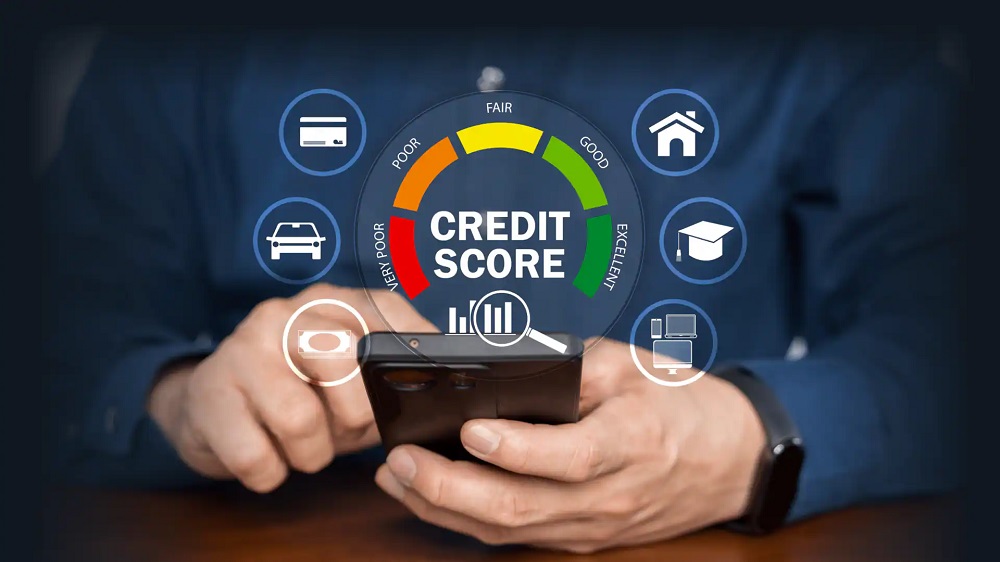

Credit is one of the most powerful financial instruments in the modern economy. Far beyond serving as a convenient tool for everyday purchases, an individual credit profile dictates access to major life milestones, from purchasing a home and financing higher education to launching an enterprise. A strong credit history acts as a financial passport, signaling reliability, low default risk, and fiscal discipline to institutional lenders, underwriters, landlords, and even prospective employers.
Conversely, a neglected or damaged credit profile introduces significant financial drag. High interest rates, restrictive loan terms, mandatory cash security deposits, and outright credit denials can drain personal wealth over decades. Understanding the direct influence of credit on high-stakes financial decisions allows individuals to leverage borrowed capital strategically, protect their cash flow, and build long-term enterprise and personal net worth.
Navigating Residential Real Estate and Mortgage Underwriting
Securing a mortgage to buy a home is often the largest financial transaction a consumer will ever execute. In residential real estate, a credit score does not simply determine whether an applicant is approved or rejected; it directly dictates the total cost of ownership over a fifteen- to thirty-year repayment period.
The Mathematics of Mortgage Interest Rate Tiers
Mortgage underwriters rely heavily on risk-based pricing models. Borrowers with excellent credit scores qualify for prime interest rates, whereas those with fair or poor scores are pushed into subprime tiers or charged significant loan-level price adjustments.
Even a fractional difference in an annual percentage rate compounds dramatically over the life of a long-term mortgage.
-
Lower Monthly Debt Obligations: A difference of one to two percentage points on a standard fixed-rate mortgage translates to hundreds of dollars saved each month in interest payments, freeing up monthly cash flow for retirement savings or home maintenance.
-
Massive Lifetime Interest Savings: Across a thirty-year term, securing a top-tier interest rate can save a homeowner tens or hundreds of thousands of dollars in pure interest charges.
-
Private Mortgage Insurance Premiums: For conventional loans with less than a twenty percent down payment, credit scores heavily influence private mortgage insurance rates. Higher credit scores result in substantially lower monthly insurance premiums, further reducing ongoing housing overhead.
Lease Agreements and Tenant Screening
Credit evaluation extends directly into the rental housing market. Property management companies and independent landlords routinely pull prospective tenants credit histories to gauge the likelihood of on-time rent payments.
A weak credit profile often triggers automatic application denials, mandates a co-signer or guarantor, or requires double or triple the standard security deposit, locking up vital liquidity that could otherwise be deployed into productive investments.
Automotive Financing and Capital Preservation
For most households, purchasing a personal or commercial vehicle represents the second-largest debt commitment after housing. The structure of auto financing depends heavily on creditworthiness, influencing whether an automobile purchase builds transportation utility or becomes an unbearable financial burden.
-
Access to Promotional Financing: Automotive manufacturers frequently offer zero percent or ultra-low interest financing incentives to spur inventory turnover. These promotional rates are reserved exclusively for buyers in the highest credit tiers.
-
Mitigating Negative Equity Risks: Subprime auto loans often carry double-digit interest rates. When high interest is combined with rapid vehicle depreciation, borrowers quickly become upside down on their loans, owing far more than the vehicle is worth on the market.
-
Leasing Terms and Down Payment Demands: Securing favorable auto lease contracts requires clean credit. Excellent credit scores eliminate large capitalized cost reduction demands, minimizing upfront out-of-pocket expenses while securing low monthly lease payments.
Entrepreneurship and Small Business Capitalization
Creditworthiness plays a critical role in launching and expanding a business venture. In the early stages of enterprise formation, before a commercial entity establishes its own independent commercial credit rating and multi-year tax history, institutional lenders evaluate the personal credit profiles of the founders.
Personal Guarantees on Commercial Loans
When applying for Small Business Administration loans, commercial lines of credit, or commercial equipment leases, founders are almost universally required to sign personal guarantees. Lenders assess personal credit scores and personal debt-to-income ratios to evaluate the entrepreneur character and repayment capacity.
-
Working Capital Access: Securing a revolving line of credit backed by strong personal credit ensures a new venture can meet payroll, purchase inventory, and smooth out irregular vendor cash flows during seasonal troughs.
-
Commercial Real Estate Leases: Landlords leasing retail, warehouse, or office space inspect personal credit profiles before executing long-term commercial leases, using credit strength to set security deposit amounts and tenant improvement allowances.
-
Vendor and Trade Credit Terms: Trade suppliers often extend net-thirty or net-sixty payment terms only after reviewing personal and early commercial credit records, allowing businesses to generate customer revenue before paying for raw inventory.
Insurance Underwriting and Everyday Utility Services
Many consumers do not realize that credit health influences financial obligations beyond direct lending. Actuarial and utility underwriting algorithms incorporate credit metrics to evaluate risk in areas that have no connection to borrowing money.
Credit-Based Insurance Scores
In many jurisdictions, auto and property insurance underwriters use credit-based insurance scores to calculate premium rates. Actuarial data shows a statistical correlation between low credit scores and a higher frequency or severity of filed insurance claims.
Consequently, a driver with poor credit may pay significantly higher annual auto insurance premiums than an identical driver with pristine credit, even with an identical clean driving record.
Utility Connections and Telecommunication Contracts
Public utility companies, mobile phone network carriers, and residential internet providers evaluate consumer credit before establishing new service lines.
-
Deposit Waivers: Strong credit profiles allow customers to bypass substantial utility security deposits when moving into a new residence.
-
Zero-Down Device Financing: Telecommunications carriers allow customers with prime credit to finance expensive smartphones and enterprise hardware at zero percent interest without upfront security pledges.
Employment Opportunities and Professional Clearance
A growing number of industries incorporate pre-employment credit checks into their standard hiring workflows. While federal regulations prevent employers from viewing a candidate numerical credit score, they can review a modified credit report detailing debt loads, payment histories, and open collection accounts.
-
Fiduciary and Financial Roles: Positions handling significant corporate funds, corporate credit cards, or sensitive consumer financial data require high integrity. Heavy unmanaged debt or severe delinquencies can disqualify candidates from executive, accounting, or banking positions.
-
Security Clearances: Government agencies and defense contractors treat heavy delinquent debt as a primary national security vulnerability, as high personal indebtedness increases susceptibility to bribery, extortion, or corporate espionage.
Frequently Asked Questions
What is the primary difference between a FICO Score and a VantageScore?
A FICO Score is the traditional credit scoring model most widely used by institutional lenders and mortgage underwriters. VantageScore is a competing scoring model created jointly by the three major credit bureaus. While both models use a similar score range from three hundred to eight hundred fifty, they apply slightly different statistical weighting algorithms to factors like credit age, trended data, and recent inquiries.
How does the debt-to-income ratio interact with credit scores during loan applications?
A credit score reflects your historical reliability in repaying debt, while the debt-to-income ratio measures your current ability to manage monthly payments against your gross income. Lenders evaluate both independently; an applicant can possess an exceptional credit score but still face loan denial if their monthly debt obligations consume too high a percentage of their verifiable income.
What is the difference between a hard inquiry and a soft inquiry on a credit file?
A hard inquiry occurs when a financial institution pulls your credit report to make a definitive lending decision following an active loan or credit application. Hard inquiries can temporarily lower your credit score by a few points. A soft inquiry occurs during background checks, pre-approved credit screenings, or personal score checks, and soft inquiries have zero impact on your credit scores.
Why do multiple credit inquiries within a short window count as a single inquiry for mortgages and auto loans?
Credit scoring models recognize that consumers shop around with multiple lenders to find the best interest rates for large installment loans. To prevent penalizing consumers for comparison shopping, all hard inquiries for mortgages, student loans, or auto financing made within a standard rate-shopping window, usually fourteen to forty-five days, are treated as a single hard inquiry in score calculations.
How long do negative marks like late payments, collections, and bankruptcies stay on a credit report?
Most negative marks, including late payments, settled collection accounts, charge-offs, and Chapter thirteen bankruptcies, remain on a credit report for up to seven years from the date of the initial delinquency. Severe negative events, such as Chapter seven bankruptcies, can remain visible on consumer credit files for up to ten years before being automatically purged under federal reporting laws.
Can closing an old, unused credit card account damage your credit score?
Yes, closing an old credit card account can negatively impact your credit score in two distinct ways. First, it instantly reduces your total available credit limit, which raises your overall credit utilization ratio if you carry balances on other cards. Second, once the closed account eventually falls off your report years later, it may reduce the calculated average age of your active credit accounts.
What is the most effective strategy for rapidly improving a credit score before a major loan application?
The fastest way to boost a credit score in the short term is aggressively paying down revolving credit card balances to bring credit utilization below ten percent across all individual cards and total aggregate limits. Additionally, thoroughly auditing credit reports for reporting errors and disputing inaccurate collection marks can generate immediate score improvements prior to formal underwriting.
Comments are closed.